Sources / Šaltiniai:
26.4.12
“Sebastianism” - The legend of king Sebastian / “Sebastianizmas” – karaliaus Sebastiano legenda
Sources / Šaltiniai:
Jose Afonso and Revolution
Roko grupė Antis buvo įkurta 1984 metais. Metaforiški tekstai prieš sovietų režimą Lietuvoje sutelkė tūkstančius laisvės trokštančius žmones. Simboliškai yra įdomu, kad populiari roko grupė Antis vis dar gyvuoja kaip gerai žinoma muzikos grupė, primenanti kovos už laisvę laikus.
14.4.11
The Portuguese Empire

30.3.11
Coa Slėnis, Menas Uolose
Coa Valley, Rock Art
In the mountains of northeast Portugal is the Côa Valley, home to a remarkable set of prehistoric rock carvings that have been designated a World Heritage Site. They are located west of Salamanca, Spain, and northeast of Tomar, Portugal. History The rock art at Coa was created over several thousand years, beginning in the Upper Paleolithic Era (40,000-10,000 BC) and continuing intermittently all the way to the 20th century AD! The themes of the earliest engravings are mostly of animals, especially mountain goats, horses, aurochs (wild hulls) and deer. The first three are the most common and are characteristic of the earliest phases of art in western Europe. There are also some rare engravings of fish and one instance of a human form during this period, at the end the Upper Paleolithic Age (at Ribeira de Piscos). The petroglyphs from the Iron Age include many panels of fine line engravings of figures, especially warriors with long legs and tiny heads, armed with swords and lances and riding stylised horses with long, thin bodies and high necks. The cycle of rock art began again in the 17th century AD, with the engraving of religious and profane motifs. This continued until the mid-20th-century with engravings depicting the various ''creatures'' that are most typical of our age: fish and birds, boats, trains and airplanes. These Palaeolithic rock engravings in the Coa Valley were discovered in the late 1980s as part of the planning for a major dam project, which, if completed, would have almost entirely submerged the rock art. But after an international campaign of scientific and media pressure (under the slogan, "Petroglyphs can't swim"), combined with a change of government in Portugal, work on the dam was stopped. In 1996 the Coa Valley area became a designated archaeological park and the site was added to the UNESCO World Heritage List in 1998. What to See The rock-art sites of the Coa Valley are all protected inside a vast archaeological park. There are three main sites: Canada do Inferno, which was the first group of engravings to be discovered, very close to Vila Nova de Foz Coa; Ribeira de Piscos, at Muxagata; and Penascosa, close to the village of Castelo Melhor. Canada do Inferno is a 130-meter-deep canyon made by the Coa River as it flows into the Douro. Most of the 36 carvings at the site have been submerged under shallow water since 1983 as a result of construction of the Pocinho Dam. Prior to this, the area was a beach lined with east facing, vertically layered rock panels ideal for petroglyphs. Here you'll see paleolithic engravings of ibexes, horses, aurochs and fish. Stylistically post-Paleolithic engravings of deer and goats can also be seen. Ribeira de Piscos is at the south end of Canada do Inferno. This area has fewer petroglyphs than the canyon, but its images are better known. One rock panel depicts two horses crossing their heads; another shows a human figure drawn over a large auroch. At higher elevation there is a panel with extraordinarily realistic fine line engravings of four horses. Penascosa is 1 km south of the Ribeira de Piscos site on the other side of the Coa. Here, where the valley opens up, a relatively extensive beach formed from river deposits. More engraved rocks may yet be discovered beneath its sands. Carvings depict ibex, horses, aurochs and some fish. In several cases, the artist tried to convey the concept of animation: in one apparent mating scene, a mare is mounted by a stallion whose three heads suggest the downward movement of his neck. At the Quinta da Ervamoira, in the heart of the archaeological park, is a museum that describes of the region and its ancestral customs, including ancient bread making and Douro wine production.
25.3.11
Caravel


To deny other countries the access to recent technical knowledge and innovation which the caravela possessed, she was target of rigorous protection measures which, amongst others, forbid her sale to foreign buyers and denied the access to the carpenters who built her.
22.12.10
Museu Nacional de Arqueologia
The National Archaeology Museum of Lisbon (Museu Nacional de Arqueologia) is located in the west wing of Jeronimos Monastry, in Lisbon, Portugal. The building of the museum used to be the dormitory of the monks. It is one of the most important Portuguese museums dedicated to Archaeology. It was founded in 1893 by archaeologist Dr. José Leite de Vasconcelos. first director of today’s National Museum of Archaeology, at the time called Portuguese Ethnographic Museum, is an outstanding personality in the Portuguese Culture of the 19th - 20th centuries.
Archaeology Museum houses Portugal's main archeological exhibits from sites all over the country. Besides the first founder‘s collections, many other have been added, some from other State departments, another ones come from donations or legacies of collectors and devoted friends of the Museum, others come from the intense field work activity developed by the Museum or by other archaeologists; another ones from government dispatches, within the law, whenever archaeological finds in the Country are thought of national value.
There are two permanent exhibitions: Treasures of Portuguese Archaeology and Egyptian Antiquities. The first one in its collections has a remarkable number of ancient jewellery objects, coming from excavations or, more frequently, bought to goldsmiths or to the people who found them, which, by its representative quality, allow a general vision of the evolution of this art in the present Portuguese territory, from the beginnings of metallurgy until the Early Middle Ages.
The collecton of Egypt Antiquities, constituted by more than five hundred pieces, is the largest in Portugal. It was collected throughout the 20th century. In 1909 the founder of the museum brought about seventy objects form Egypt. About two hundred were acquired by Queen D. Amelia, during her trip to Egypt in 1903. Other were donated by famous people, and there are about eighty pieces of unknown origin.
There are always some temporary exhibitions too. Besides the exhibitions, museum has regular publications, offers some other services: the conservation and restoration of archaeological artefacts, seminars, conferences and courses of the speciality, an educational and cultural extension service, a specialized library, etc.
Lisabonos Nacionalinis Archeologijos muziejus yra vakariniame Jeronimos vienuolyno sparne, Lisabonojo, Portugalijoje. Muziejaus pastatas ankščiau buvo vienuolių miegamasis pastatas. Tai vienas svarbiausių Portugalijos muziejų, skirtų archeologijai. Jis buvo įkurtas 1893 m. Įkūrėjas – archeologijos mokslų daktaras José Leite de Vasconcelos. Pirmasis šiandieninio muziejaus, tuo laiku vadinto Portugalų Etnografijos muziejumi, direktorius yra išskirtinė asmenybė Portugalijos kultūroje XIX-XX amžiuose.
Archeologijos muziejus talpina pagrindinius Portugalijos archeologinius eksponatus iš visos šalies.Be pirmųjų įkūrėjo kolekcijų, dauguma buvo pridėtos, kai kurios ateliavo iš kitų šalies departamentų, kitos buvo paaukotos arba dovanotos palikimu kolekcionierių ir atsidavusių muziejaus draugų, kitos atvyko iš intensyvių archeologijos kasinėjimų, kuriuos vykdo muziejus ar kiti archeologai, dar kiti atkeliauja vyriausybės, kai ši nusprendžia, jog kažkas yra nacionalinė vertybė.
Čia yra dvi nuolatinės parodos: Portugalijosarcheologijos lobiai ir Egipto antikvaras. Pirmosios kolekcijoje yra didelis skaičius senovinių juvelyrinių dirbinių, atgabentų iš kasinėjimų arba, daug dažniau, atneštų juvelyrų, arba žmonių, kurie juos rado, kas leidžia bendrą viziją apie šio meno vertę dabartinės Portugalijos teritorijoje, nuo metalurgijos pradžios iki ankstyvųjų viduramžių.
Egipto antikinių daiktų kolekcija susideda iš daugiau nei penkių šimtų eksponatų ir yra didžiausia Portugalijoje. Ji buvo surinkta per XX amžių. 1909 m. muziejaus įkūrėjas iš Egipto atgabeno apie septyniasdešimt eksponatų. Apie du šimtus eksponatų paliko karalienė D. Amelija, kuriuos įsigijo per savo kelionę į Egiptą 1903 m. Kiti eksponatai buvo dovanoti garsių, turtingū istorinių asmenybių. Apie 80 eksponatų atsiradimo istorija nėra žinoma.
Taip pat muziejuje nuolatos veikia laikinos parodos. Be parodų muziejus turi: reguliarias publikacijas, siūlo kitas paslaugas, kaip archeologinių artefaktų konservavimas ir restauravimas, seminarai, konferencijos ir specialybės kursai, švietimo ir kultūros plėtimo paslaugos, specializuota biblioteka ir kt.
10.11.10
Egas Moniz

Egas Moniz whose real name was Antonio Caetano de Abreu Freire is considered the father of modern psycho-surgery and chiefly remembered as the originator of lobotomy. He was born on the family farm in Avancha in northern Portugal (1874). His godfather named him Egas Moniz after the hero of the Portuguese resistance against the Moors.
Egas’ starting point in education was from his uncle Abbé Caetano de Pina Rezende Abreu Sa Freire, before joining the Faculty of Medicine at Coimbra University. He received further education at Bordeaux and Paris and became Professor at Coimbra in 1902. Nevertheless, in one-year time, he left his post on entering politics. He established the Partido Republicano Centrista and represented it in the Portuguese parliament from 1903 to 1917. Later Egas became Portugal's ambassador to Madrid (1917) and minister of foreign affairs (1918). In spite of entering politics, Moniz continued to practice medicine and teach physiology and anatomy and transferred to the new Chair in Neurology at Lisbon. Egas‘ early stages of life and the choice of medical sphere clearly indicated his interest in medicine and treatment. Consequently, in 1920 the politician gave up politics and returned to his previous post, I would say, he came back to his noble vocation.
In 1927 Moniz developed cerebral angiography, a technique allowing blood vessels in and around the brain to be visualized. Another discovery was prefrontal leucotomy, i.e. incision of the white matter of the frontal lobe with a leucotome passed via a cannula through holes drilled in the skull. In addition to these extraordinary discoveries, Egas together with his colleagues published over 200 papers and monographs on normal and abnormal cerebral angiography. It would take time and space to mention all of his important works, nevertheless, some of them are: “Anatomo-pathologic changes in diphtheria“, “Neurology in war“, “Prefrontal leucotomy. Surgical treatment of certain psychoses“ and many more.
Brain surgery has a long and controversial history, dating back to the Stone Age to release evil spirits. However, during the 1935 neurology conference in London Egas Moniz noted the data presented by other experts showing that a leucotomy on two chimpanzees successfully reduced their aggressive behaviour without untoward side effects. Moniz refined his surgical methods by fashioning a "leucotome", (a surgical instrument with a movable wire loop which he replaced with a steel band). He used this instrument to cut six holes in each of the brain's two hemisphere's white matter, severing the connections of the prefrontal cortex to the rest of the brain. Moniz judged the results acceptable in the first 40 patients he treated, using the method called "trial and error". Finally, Moniz’s conclusion was the following, "Prefrontal leukotomy is a simple operation, always safe, which may prove to be an effective surgical treatment in certain cases of mental disorder."
Unfortunately, in 1939, Moniz was shot by a disaffected patient and, as a result, was confined to a wheelchair for the rest of his life. For his strong and, I believe, indisputable contribution to medicine and treatment of patients Moniz was highly praised and awarded: in 1949 he shared the Nobel Prize for Physiology or Medicine, won the prize "for his discovery of the functional organization of the interbrain as a coordinator of the activities of the internal organs" and also "for his discovery of the therapeutic value of leucotomy in certain psychoses". At the Nobel presentations in 1949, it was said: “Frontal leucotomy, despite certain limitations of the operative method, must be considered one of the most important discoveries ever made in psychiatrics, because through its use a great number of suffering people and total invalids have recovered and have been socially rehabilitated.“
In 1955 Moniz died peacefully at the same farm where he was born. After his death, there have been endless discussions about his work and methodology, including considerations of Moniz' work as a "great and desperate" attempt to find effective treatment for severe forms of mental illness. Nevertheless, in Lisbon there is a Museum and a statue contributed to this hardworking and notable neurologist. From my personal point of view, such extraordinary people like Egas Moniz are worth to be honoured and highly praised since his contribution to medical surgeries and treatment is remarkable.
Lietuviškai:
Egas Moniz, kurio tikras vardas Antonio Caetano de Abreu Freire, yra laikomas moderniosios psicho chirurgijos tėvu ir lobotomijos pradininku. Jis gimė šeimos ūkyje Avanchoje, šiaurės Portugalijoje 1874 metais. Krikštatėvis jį pavadino Egas Moniz – portugalo didvyrio, kovojusio prieš maurus, garbei. Egas pradėjo mokytis pas dėdę Abbé Caetano de Pina Rezende Abreu Sa Freire, vėliau įstojo į medicinos fakultetą Coimbra universitete. Tolenį išsilavinimą įgijo Bordeaux universitete Paryžiuje ir 1902 metais tapo Coimbros profesoriumi. Tačiau po vienerių metų Egas paliko turimą postą ir įžengė į politiką. Jis įkūrė respublikonų centristų partiją, kuriai atstovavo 1903 – 1917 metais. Tolesnis karjeros vingis buvo tapimas Portugalijos ambasadoriumi Madride 1917 metais bei užsienio reikalų ministro postas ateinančių metų bėgyje. Nepaisant politinės veiklos, Moniz toliau tęsė medicinos praktiką, mokė fiziologijos ir anatomijos bei netrukus užėmė naują poziciją neurologijos srityje Lisabonoje. Galima tegti, jog Egas jaunystė ir medicinos srities pasirinkimas aiškiai atskleidė jo susidomėjimą medicina bei gydymu. Būten dėl šios priežasties, 1920 metais politikas metė esamą veiklą ir sugrįžo prie ankstesnio posto, mano manymu, prie savo tikrojo, kilnaus pašaukimo.
1927 metais Egas išrado smegenų angiografiją, metodiką, leidžiančią kraujagyslėms galvos smegenyse ir aplink jas, tapti regimoms. Kitas atradimas buvo priešakinė leukotomija, t.y. baltosios piekinės smegenų skilties medžiagos įpjovimas leukotomu, praeinančiu pro vamzdelį per skyles įgrežtas kaukolėje. Be šių išskirtinių atradimų, Egas kartu su kolegomis išleido virš 200 straipsnių ir monografijų apie įprastą ir anomalią smegenų angiografiją. Išvardinti visus jo veikalus užtruktų daug laiko, tačiau keletas iš jų yra šie: „Anatomo – patologiniai pokyčiai difterijoje“, „Neurologija karo metu“, „Priešakinė leukotomija. Chirurginis tam tikrų psichozių gydymas“ ir daugybė kitų.
Smegenų chirurgijos istorija yra ilga ir prieštaringa, sienkianti dar akmens amžių, kurio laikotarpiu buvo ja buvo naudojamasi siekiant išvyti blogosioms dvasioms iš kūno. Tačiau neurologinės konferencijos, 1935 metais vykusios Londone, metu Egas Moniz atkreipė dėmesį į ekspertų surinktus duomenis, rodančius, kad leukotomija, atlikta dviems šimpanzėms, sėkmingai sumažino jų agresyvų elgesį be nepageidaujamų pašalinių efektų. Moniz patobulino chirunginius metodus patobulindamas „leukotomo“ – chirurginio instrumento - dizainą, vielinę kilpą pakeisdamas plieniniu raiščiu. Šis instrumentas buvo neurologo naudojamas norint įpjauti šešias skyles kiekviename iš baltųjų smegenų medziagos pusrutulių, atskiriant piekinės žievės sujungimus su likusia smegenų dalimi. Moniz įvertino rezultatus pirmiems 40 jo gydytų pacientų, naudodamas vadinamąjį „bandymo ir klaidos“ metodą. Galiausiai Moniz išvada nuskambėjo taip: „Piešakinė leubotomija yra paprasta, visados saugi bei galinti tapti efektyviu chirurginiu gydymu tam tikruose psichinio sutrikimo atvejuose“.
Deja 1939 metais Egas Moniz buvo pašautas nepatenkinto paciento ir dėl to likusiam gyvenimui prikaustytas prie invalido vežimėlio. Svaraus ir, mano nuomone, nenuginčijamo įnašo medicinoje ir gydyme dėka, Moniz buvo plačiai išgirtas ir apdovanotas: 1949 metais jis pasidalino Nobelio prizu už fiziologiją ir mediciną, laimėjo prizą už „funkcinės tarpsmegeninės formacijos atradimą kaip vidinių organų veiklos koordinatorius“, taip pat už „tam tikrų psichozių leukotomjos vertę“. Per Nobelio premijų įteikimą buvo pasakyta: „Priešakinė leukotomija, nepaisant tam tikrų operatyvinio metodo apribojimų, turi būti laikoma vienu svarbiausių atradimų psichiatrojoje, nes jos dėka didelis skaičius kenčiančių žmonių ir visiškų invalidų atsigavo ir buvo socialiai reabilituoti“.
1955 metais Moniz mirė tame pačiame ūkyje, kur ir gimė. Po jo mirties vyravo nesiliaujančios diskusijos apie neurologo darbą ir metodologiją, įskaitant jo veiklos laikymą „dideliais bet beviltiškais“ būdais siekiant surasti efektyvų sunkių protinių ligų gydymą. Nepaisant šių požiūrių Lisabonoje randasi muziejus ir skulptūra šio sunkiai dirbusio ir garsaus neurologo garbei. Mano asmeniniu požiūriu, tokie išskirtiniai asmenys kaip Egas Moniz yra verti būti gerbiami ir giriami, nes jo įnašas i medicininę chirurgiją ir gydymą yra nepaprastas.
14.12.09
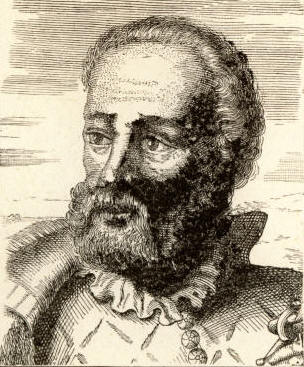
Fernão de Magalhães
Fernandas Magelanas (port. Fernão de Magalhães) – portugalų jūrų keliautojas, atradėjas, tarnavęs Ispanijos karalystei. F. Magelanas pirmasis iš Europos vakarų kryptimi pasiekė Aziją, pirmasis perplaukė Ramųjį vandenyną. Jo pradėta ekspedicija pirmoji apiplaukė pasaulį.
Magelanas gimė 1480 metais, šiaurės Portugalijoje, Tras-os-Montes provincijoje, Vila Reale. Jo tėvas buvo miesto burmistras Pedro Rui de Magelanas, motina – Alda de Meskuita. Magelanas turėjo brolį Diego de Sousa ir seserį Izabelę.
Sulaukęs 20 metų, Magelanas pirmą kartą išplaukė į jūrą. 1505 m. jis išplaukė į Indiją. 1510 m. Magelanas tapo kapitonu, tačiau po slaptos kelionės į rytus be leidimo, prarado valdžią ir grįžo į Portugaliją. 1511 m. Magelanas buvo išsiųstas į Maroką, kur 1513 m. rugpjūčio 28 d. dalyvavo mūšyje prie Azamoro ir buvo rimtai sužeistas. Magelanas taip pat buvo apkaltintas prekyba su Mauritanijos musulmonais. Ten taip pat įvyko konfliktas su portugalų admirolu Francisco de Almeida, kad be leidimo paliko armiją. F. Magelanas užsitraukė karaliaus Manuelio I nemalonę. Karalius atsisakė padidinti pajamas. Manuelis I taip pat pranešė, kad Magelanas nuo 1514 m. gegužės 15 d. daugiau nebetarnaus karaliui. Magelanas formaliai atsisakė pilietybės ir išvyko į Ispaniją siūlydamas savo paslaugas vienam dvarui.
Kelionę 1519 m. rugpjūčio 10 d. pradėjo 237 ar 270 jūreivių, bet atgal į Ispaniją 1522 m. rugsėjo 6 d. sugrįžo tik 18. Po Magelano žūties kapitonu tapo Juan Sebastián Elcano.
Pagal 1494 m. pasirašytą stipriausių XV amžiaus jūrinių valstybių – Ispanijos ir Portugalijos – sutartį, Ispanija turėjo teisę į visas žemes, esančias į vakarus nuo dienovidinio, einančio maždaug 45° vakarų ilgumos, o Portugalija – į rytus nuo šio dienovidinio. Kadangi šio dienovidinio padėtis, esanti priešingoje Žemės pusėje, prie Azijos rytinių krantų, kur driekiasi Molukų salos (tuomet vadintos Prieskonių salomis), buvo neaiški, Ispanija surengė Magelano ekspediciją, tačiau jos kelias negalėjo eiti per Portugalijos vandenis. Būdamas įsitikinęs, kad Žemė yra rutulio formos, Magelanas nutarė pasiekti Molukų salas vakarų keliu.
1519 m. rugpjūčio 10 d. flotilė iš penkių laivų, vadovaujama Magelano, paliko Seviliją. Portugalų karalius Emanuelis, sužinojęs apie Magelano išplaukimą, nurodė laivyno vienetams jį pagauti, bet Magelanas paspruko nuo portugalų. 1519 metų rugsėjo 20 dieną flotilė išplaukė iš San Lukaro uosto, esančio Gvadalkviviro žiotyse. Po dviejų mėnesių jie pasiekė Brazilijos krantus. Ilgą laiką F. Magelano įgula niekaip negalėjo rasti sąsiaurio. 1520 metų spalio 18 dieną F. Magelanas išplaukė toliau ieškoti sąsiaurio. Keturi laivai, pirmą kartą žmonijos istorijoje, lėtai ir tyliai įplaukė į negyvenamą, niūrų sąsiaurį, kur nuo amžių nebuvo patekę europiečiai. Aplinkui nebuvo matyti nė vienos gyvos būtybės, ir vis dėlto aplinkui turėjo būti žmonės, nes nakties tamsoje tvyksčiojo ugnys, todėl F. Magelanas ir pavadino šį kraš
tą Tierra del Fuego (Ugnies Žeme). Šias negęstančias ugnis matė ir vėlesni keliautojai. Tai aiškinama tuo, kad Ugnies Žemės gyventojai, būdami žemiausioje kultūros pakopoje, nežinojo ugnies gavimo meno, todėl jie ir dieną, ir naktį degindavo savo būstuose sausą žolę ir šakas. F. Magelano laivai plaukdami sąsiauriu visą laiką turėjo saugotis seklumų, aplenkti uolas. Priešinis vėjas plėšė laivų bures. Po 38 dienų jūreiviai pamatė Ramujį vandenyną. Taip buvo atrastas sąsiauris, kuris buvo pavadintas Magelano vardu.1521 metų kovo 6 dieną F. Magelanas pasiekė dvi gyvenamas salas. Tai buvo Filipinų salų grupė. 1521 m. balandžio 27 d. Magelanas žuvo per konfliktą Maktano saloje.
1522 m. rugsėjo 6 d. po trejų metų išvykos Juanas Sebastianas de Elkanas ir likusieji įgulos nariai grįžo į Ispaniją.
Magelano ekspedicija pirmoji apiplaukė žemę, pirmoji perplaukė Pietų Amerikos sąsiaurį, jungiantį Pietų Ameriką su Ramiuoju vandenynu. Įgulos nariai buvo pirmieji europiečiai, kurie pamatė iki šiol nematytų dalykų:
• „Kupranugarius be kuprų“, kurie greičiausiai buvo lama, guanakas, vikunija arba alpaka.
• Juodas „žąsis“, kurių nereikėjo nei skusti, nei pešti – greičiausiai tai buvo pingvinai.
• Dvi iš artimiausių mūsų galaktikų (Didysis Magelano Debesis ir Mažasis Magelano Debesis) – jos matomos tik Pietuose.
• Žemės dydis buvo daug kartų didesnis nei galvojo mokslininkai – kelionės ilgis buvo 69 tūkstančiai kilometrų.
Fernando Magellan (Fernão de Magalhães port.) - Portuguese navigator, discoverer and served in the Spanish kingdom. F. Magellan is the first from Europe reached Asia from west direction, first crossed the Pacific Ocean. Launched its first expedition to circumnavigate the world.
Magellan was born in 1480 in the north Portugal, Tras-os-Montes province, Villa Reale. His father was a town mayor Pedro Rui de Magellan, mother - Alda de Meskuita. Magellan had a brother, Diego de Sousa, and sister Izabel
Age 20, Magellan first sailed into the sea. 1505 he proceeded to India. 1510 Magellan became a captain, but after a secret trip to the east without a permit, lost his power and returned to Portugal. 1511 Magellan was sent to Morocco, where in 1513, 28th August participated in the battle to Azamoro and was seriously injured. Magellan has also been accused of trafficking with the Mauritanian Muslims. There was also conflict with the Portuguese Admiral Francisco de Almeida, in addition to permission to leave the army. F. Magellan healed King Manuel I of disfavor. The king refused to increase revenue. Manuel I also announced that the Magellan 1514, 15th May will no more serve the king. Magellan formally renounced citizenship and moved to Spain, offering his services to one estate.
Trip 1519, 10th August began 237 or 270 sailors, but back to Spain in 1522, 6th September came only 18th. After Magellan‘s death captain became Juan Sebastián Elcano.
According to the tremty in 1494 signed by the strongest XV century maritime countries - Spain and Portugal - Spain had a right to all land located west of the meridian passing approximately 45 degrees west longitude, and Portugal - to the east of the meridian. Since the meridian position, located on the opposite side of the Earth, to the eastern Asian coast, which extends the Moluccas (then known as Spice Islands), was unclear, Spain held Magellan‘s expedition, but a road could not go through the Portuguese waters. Convinced that the Earth is spherical in shape, Magellan decided to achieve the Maluku islands west road.
1519, 10th August fleet of five ships, led by Magellan, left Seville. Portuguese King Emmanuel becomes aware of Magellan‘s leaving, told to catch the fleet units, but Magellan escaped from the Portuguese. 1519, 20th September flotilla sailed from San Lukaro port located at the mouth Gvadalkviviro. Two months later, they reached the coast of Brazil. For a long time, F. Magellan‘s crew could not find any way of the Strait. 1520 year on October 18th, F. Magellan set off to continue looking into the Strait. The four ships, for the first time in human history, slowly and quietly entered the uninhabited, a black Strait, where the age was not as Europeans. There was no one to see living beings, and yet it had to be around people, because the of flames seen at night, and F. Magellan and named this land Tierra del Fuego (Land of Fire). These flames was subsequent also by other travelers. This is explained by the fact that the „Land of Fire‘s“ population, being the lowest stage of culture, did not know the art of receipting fire, so they both day and night in their dwellings burnt dry grass and branches. F. Magellan‘s ships sailing through the Strait at all times had to guard the ship, overtake rocks. Headwind plundered ship sails. After 38 days the seamen saw the Pacific Ocean. It was discovered Strait, which was named after Magellan‘s behalf.
1521, 6th March, F. Magellan reached the two inhabited islands. It was the Philippine island group. 1521, 27th April Magellan died in the conflict at Maktano island.
1522, 6th September after three years away Juan Sebastian de Elkanah, and the remaining crew members returned to Spain.
Magellan‘s expedition to circumnavigate the earth, firstt crossed the South American strait that connects South America with Pacific Ocean. Crew members were the first Europeans who saw the hitherto unseen things:
- Camel hump free, which was probably a llama, guanaco, alpaca or Vicuña.
- Black Goose, which did not need to shave or pluck - this is probably the penguins.
- Two of our closest galaxies (the Large Magellanic Cloud and Small Magellanic Cloud) - it is only visible to the south.
- Land size is many times greater than scientists thought - the journey length of 69 thousand kilometers.


